South Of Chenjiazhuang Village, Baoding City, Hebei Province, China +86-15033731507 lucky@shuoxin-machinery.com
Follow Us -
News

How Does a Compost Spreader Improve Soil Fertility and Farm Efficiency

2026-03-12 0 Leave me a message

Organic farming and sustainable agriculture are becoming essential practices for modern farms. One of the most efficient tools for applying organic fertilizer evenly across fields is the compost spreader. This article explores how a compost spreader works, its benefits, different types, key features, and how farmers can choose the right equipment for their needs. We also discuss how advanced agricultural machinery from Shuoxin helps improve efficiency, soil health, and crop productivity.

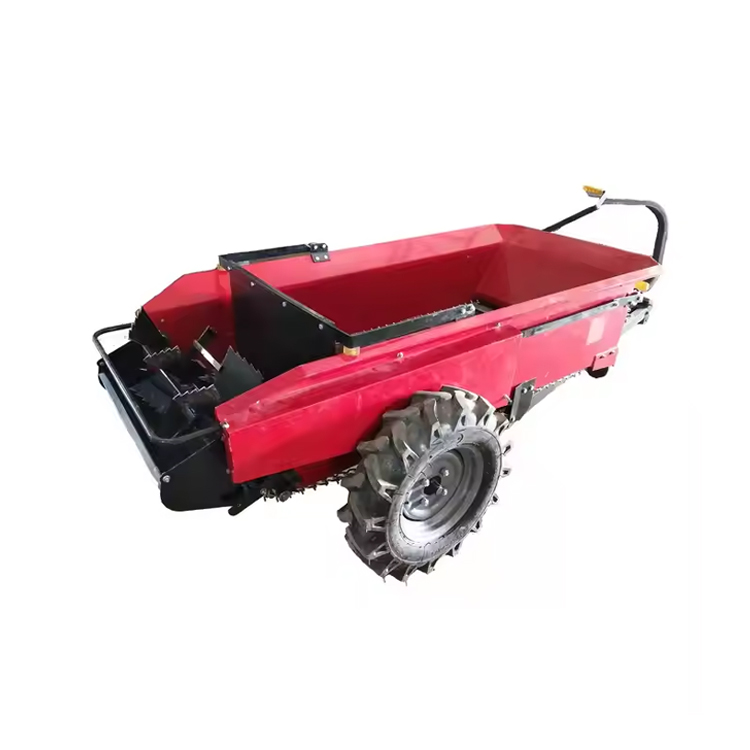
Compost Spreader

Table of Contents


What Is a Compost Spreader?

A compost spreader is a specialized agricultural machine designed to distribute compost, manure, and other organic fertilizers evenly across farmland. Instead of spreading compost manually with shovels or basic tools, farmers use this equipment to ensure uniform distribution, improve soil structure, and increase crop productivity.

Modern spreaders are designed to work efficiently with tractors, allowing large areas of farmland to be fertilized quickly. By using a mechanical spreading system, farmers can maintain consistent application rates, which is critical for sustainable crop production.


Why Is Compost Spreading Important for Modern Agriculture?

Soil fertility is one of the most critical factors affecting agricultural productivity. Organic fertilizers such as compost contain essential nutrients, beneficial microorganisms, and organic matter that improve soil health.

However, uneven distribution of compost can lead to several problems:

  • Nutrient imbalance across fields
  • Reduced crop growth in poorly fertilized areas
  • Excess nutrient runoff in heavily fertilized zones
  • Lower farming efficiency

Using a compost spreader helps eliminate these issues by ensuring consistent coverage. This leads to better nutrient absorption, healthier crops, and improved soil conditions over time.


How Does a Compost Spreader Work?

A compost spreader works by loading compost or manure into a hopper or container mounted on a trailer. The machine uses a mechanical or hydraulic system to move the material toward a spreading mechanism at the rear.

The spreading system then distributes the compost across the field through rotating beaters, paddles, or discs.

Basic working process:

  1. Compost is loaded into the hopper
  2. The tractor pulls the spreader across the field
  3. A conveyor chain moves compost toward the rear
  4. Rotating beaters break and distribute the compost
  5. The material spreads evenly across the soil surface

This automated process allows farmers to fertilize large areas quickly while maintaining consistent nutrient application.


Key Components of a Compost Spreader

A high-quality compost spreader typically consists of several important components that work together to achieve efficient spreading.

Component Function
Hopper / Container Stores compost before distribution
Conveyor Chain Moves compost toward the spreading mechanism
Beaters / Rotors Break up and distribute compost evenly
Spreading Discs Ensure wide and uniform distribution
Chassis and Wheels Provide stability during field operation
Hydraulic System Controls speed and spreading intensity

Types of Compost Spreaders

Different farming operations require different types of spreaders depending on field size, compost type, and tractor capacity.

1. Rear Discharge Spreaders

  • Compost is spread from the rear of the machine
  • Ideal for manure and heavy compost materials
  • Commonly used on large farms

2. Side Discharge Spreaders

  • Spreads compost from one side
  • Suitable for orchards and vineyards
  • Allows targeted fertilizer application

3. Vertical Beater Spreaders

  • Uses vertical rotors for wider spreading
  • Handles wet or fibrous compost efficiently

4. Compact Compost Spreaders

  • Designed for small farms and gardens
  • Lightweight and easy to operate

Benefits of Using a Compost Spreader

Using a compost spreader offers numerous advantages compared to traditional manual fertilization methods.

Improved Efficiency

A compost spreader allows farmers to fertilize large fields quickly, saving significant labor time.

Uniform Nutrient Distribution

Even spreading ensures crops receive balanced nutrients, which leads to better plant growth and yield.

Reduced Labor Costs

Automated spreading minimizes the need for manual labor, reducing overall operational costs.

Better Soil Health

Consistent organic fertilizer application improves soil structure, microbial activity, and water retention.

Lower Environmental Impact

Precise compost application reduces nutrient runoff and supports sustainable farming practices.


Compost Spreader vs Manual Spreading

Factor Manual Spreading Compost Spreader
Efficiency Slow High
Uniformity Uneven Highly consistent
Labor Requirement High Low
Field Coverage Small areas Large areas
Cost Efficiency Low long-term efficiency Higher productivity

How to Choose the Right Compost Spreader

Selecting the correct compost spreader depends on several factors.

  • Farm size – Larger farms require higher capacity spreaders
  • Compost type – Wet manure and dry compost require different mechanisms
  • Tractor compatibility – Ensure proper power and hitch compatibility
  • Spreading width – Wider spreading reduces operation time
  • Durability – Choose corrosion-resistant materials

Reliable agricultural equipment manufacturers such as Shuoxin design spreaders that meet modern farming requirements with durable materials and efficient spreading systems.


Applications in Agriculture and Landscaping

Compost spreaders are widely used across various industries beyond traditional farming.

  • Crop farming
  • Organic agriculture
  • Vineyards
  • Orchards
  • Landscaping projects
  • Soil restoration
  • Large gardens and parks

Their versatility makes them essential equipment for both commercial farms and land management projects.


Maintenance Tips for Compost Spreaders

Proper maintenance ensures long equipment lifespan and consistent performance.

  • Clean the hopper after each use
  • Lubricate moving parts regularly
  • Inspect conveyor chains and beaters
  • Check hydraulic systems for leaks
  • Store equipment in dry conditions

Routine maintenance prevents mechanical failures and ensures smooth field operations.


Why Choose Shuoxin Compost Spreaders?

Shuoxin is a trusted manufacturer of agricultural machinery designed to improve farming efficiency and productivity. Their compost spreaders are engineered with durable materials, reliable transmission systems, and advanced spreading mechanisms.

Key advantages include:

  • High-capacity compost loading
  • Uniform fertilizer distribution
  • Strong and durable chassis design
  • Easy tractor integration
  • Reliable performance in various field conditions

With a strong focus on innovation and agricultural efficiency, Shuoxin continues to provide farmers with reliable equipment solutions that support sustainable agriculture.


Frequently Asked Questions (FAQ)

1. What materials can a compost spreader distribute?

A compost spreader can distribute compost, manure, organic fertilizer, and other soil-enhancing materials.

2. What tractor power is required for a compost spreader?

Most spreaders require tractors ranging from 25 HP to over 100 HP depending on the size and capacity of the machine.

3. Can compost spreaders be used for organic farming?

Yes. They are ideal for organic farming because they efficiently distribute natural fertilizers and compost materials.

4. How wide can a compost spreader distribute material?

Depending on the design, spreading width can range from 3 meters to over 10 meters.

5. How often should a compost spreader be maintained?

Routine inspection should be performed before and after each use, with deeper maintenance scheduled periodically depending on usage intensity.


Conclusion

A compost spreader is an essential piece of agricultural equipment that significantly improves fertilization efficiency, soil health, and crop productivity. By enabling uniform compost distribution, farmers can maximize nutrient utilization and support sustainable agricultural practices.

If you are looking for reliable agricultural machinery designed for performance and durability, Shuoxin offers professional compost spreading solutions suitable for farms of all sizes. For more information about equipment specifications, customization options, and agricultural solutions, contact us today to discover how our machines can help improve your farming efficiency.

Related News
Leave me a message
X
We use cookies to offer you a better browsing experience, analyze site traffic and personalize content. By using this site, you agree to our use of cookies. Privacy Policy
Reject Accept