South Of Chenjiazhuang Village, Baoding City, Hebei Province, China +86-15033731507 lucky@shuoxin-machinery.com
Follow Us -
News

Why Does a Boom Sprayer Matter More Than Most Farmers Realize?

2026-03-17 0 Leave me a message

In modern crop production, spraying is not just a routine task. It directly affects weed control, disease prevention, nutrient efficiency, field costs, crop safety, and final yield quality. A boom sprayer may look like a simple machine from the outside, yet the wrong spraying setup can lead to uneven coverage, wasted chemicals, repeated field passes, crop stress, and expensive downtime during critical farming windows.

This article explains what a boom sprayer does, why it matters, where buyers often make costly mistakes, and how to choose a practical solution for real field conditions. It is written for growers, distributors, farm managers, and agricultural equipment buyers who want a more dependable spraying process rather than a machine that only looks good on paper.

Article Summary

A boom sprayer helps farmers apply herbicides, pesticides, and liquid fertilizers more evenly across wide field areas. Its value goes far beyond simple spraying. It can improve coverage consistency, reduce chemical waste, save labor time, lower rework, and support better crop protection when used correctly. The key is not choosing the biggest unit by default, but selecting the right tank size, boom width, pump performance, nozzle arrangement, and frame durability for the actual crops, terrain, and workload. For buyers seeking a dependable agricultural spraying solution, Hebei Shuoxin Machinery Manufacturing Co., Ltd. offers boom sprayer options designed for practical field use and long-term service.

Article Outline

  • Introduction to the real value of a boom sprayer
  • Common operational pain points faced by growers and agricultural buyers
  • Main reasons behind poor spray coverage and chemical waste
  • Practical selection standards for tank size, boom width, pump system, and nozzles
  • Important buying considerations for durability, maintenance, and adaptability
  • How proper spraying equipment helps reduce costs and improve workflow
  • Signs that older spraying systems are limiting farm performance
  • Frequently asked questions for first-time and repeat buyers

What problems does a boom sprayer solve in daily farm work?

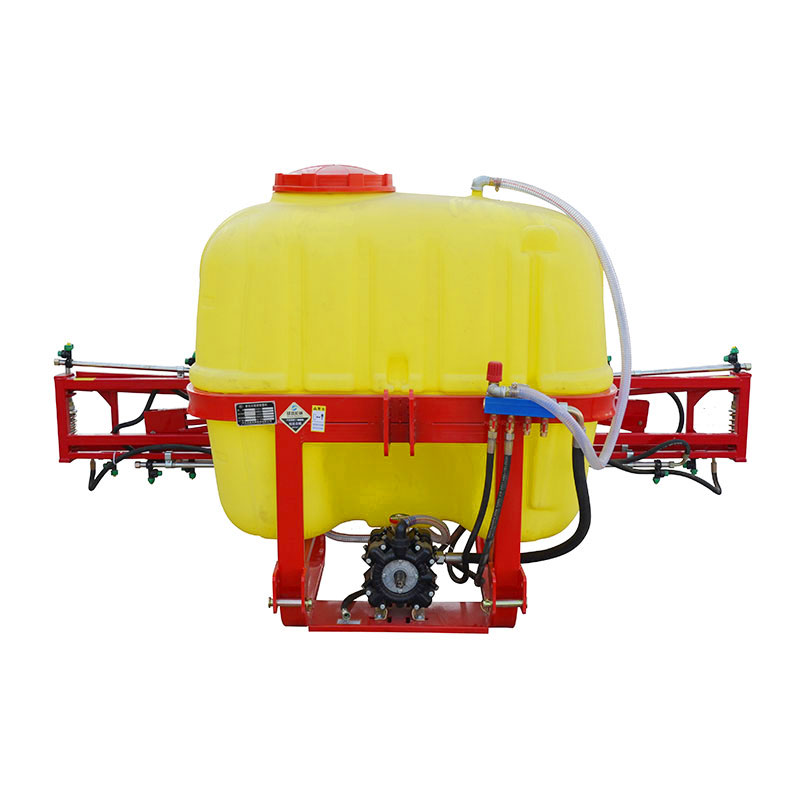
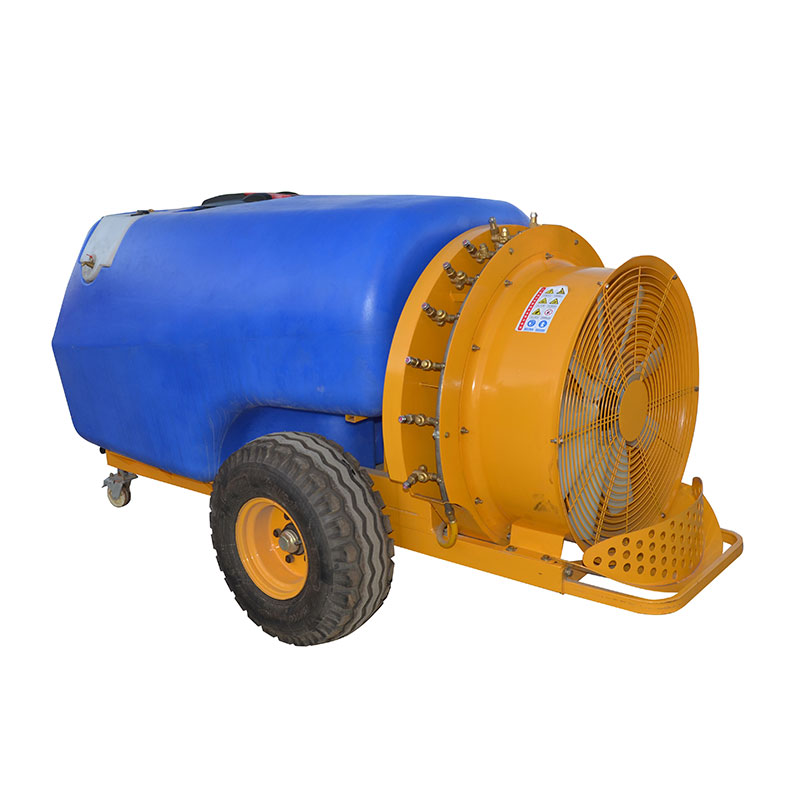
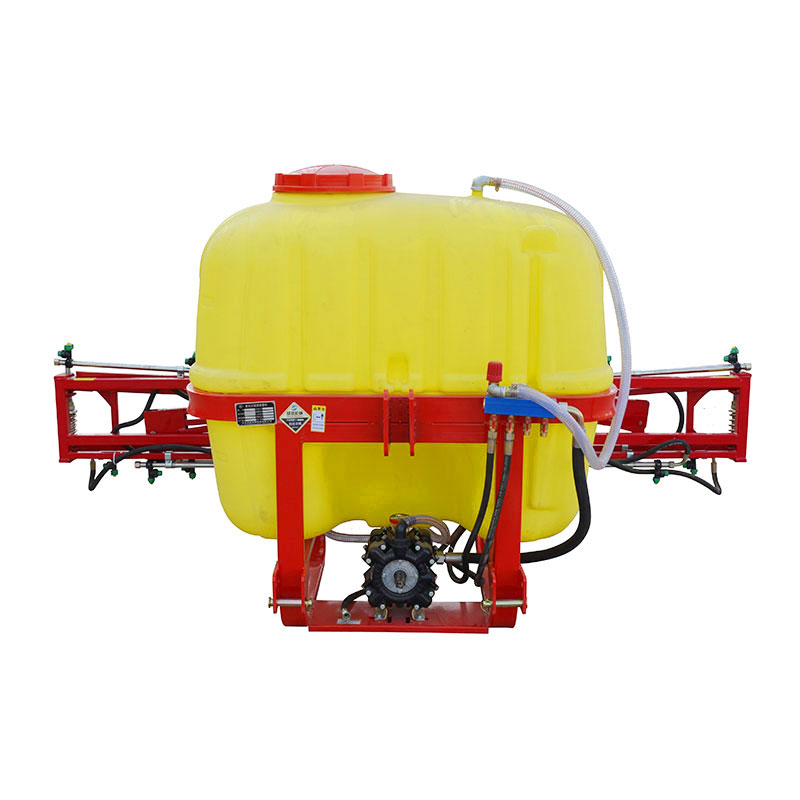
Boom Sprayer

On many farms, the spraying stage is under pressure from every direction. Weather windows are short. Labor is limited. Input costs keep rising. Meanwhile, crops still need timely protection from weeds, insects, and disease. This is where a boom sprayer becomes a practical tool rather than a simple accessory.

The main advantage of a boom sprayer is that it allows liquid application across a broader working width with more controlled distribution. Compared with basic or less precise spraying methods, it helps operators cover more ground in less time while keeping the spray pattern more consistent across the target area. That consistency matters because patchy application can create two opposite problems at once: weak protection in one zone and over-application in another.

In real operations, growers often need a machine that can handle herbicide spraying before weed pressure becomes unmanageable, pesticide application before infestations spread, and liquid fertilizer distribution without causing visible unevenness in crop growth. A suitable boom sprayer helps simplify these repetitive tasks and makes farm scheduling more predictable.

A reliable spraying routine is not only about applying liquid. It is about applying the right amount, in the right place, at the right time, with the least possible waste.

This is especially important for farms managing cereals, corn, soybeans, vegetables, forage crops, and other wide-area planting systems. Even a small improvement in coverage quality can make a visible difference across large acreage.

Why do many farms still get poor spraying results?

Buying a sprayer does not automatically solve spraying problems. Many disappointing results come from a mismatch between the machine and the actual field conditions. In some cases, the tank is too small for the workload, which forces frequent refilling and slows the whole operation. In other cases, the boom width is wrong for the field layout, creating awkward overlap or missed strips. Sometimes the issue is not the size at all, but unstable pressure, poor-quality nozzles, difficult calibration, or a frame that struggles on uneven ground.

Another common issue is operator frustration. If maintenance is inconvenient, if hoses are hard to inspect, if cleaning takes too long, or if the structure feels weak after limited use, the machine becomes a burden. Farmers do not want equipment that demands constant attention during a busy season. They want stable performance, straightforward operation, and parts that can handle real agricultural conditions.

Poor spraying results usually trace back to one or more of these issues:

  • Uneven spray distribution across the working width
  • Incorrect boom height during operation
  • Pressure fluctuation affecting droplet consistency
  • Nozzle wear or unsuitable nozzle type
  • Weak structural stability on rough terrain
  • Oversized or undersized equipment for the field scale
  • Long maintenance time during peak agricultural periods

That is why serious buyers should think beyond the product name. A boom sprayer should be evaluated as a working system, not just as a tank with a frame and spray arms.

How should buyers choose the right boom sprayer?

The right choice starts with field reality. Before comparing quotations or looking only at appearance, buyers should first define how the equipment will actually be used. A farm with narrow access lanes, smaller plots, and mixed crops may need a different configuration than a large open field operation focused on high acreage per day.

Buyers should begin with four basic questions:

  1. How many hectares or acres need to be sprayed within a typical working window?
  2. What types of crops and chemical applications are involved?
  3. What tractor compatibility or towing conditions are available?
  4. How uneven, soft, or complex is the terrain?

Once those answers are clear, machine selection becomes more practical. The tank capacity should support efficient field coverage without making the machine unnecessarily heavy. The boom width should match both field size and maneuverability needs. The pump system should deliver stable pressure and flow. The nozzle layout should support the intended application pattern and working speed.

Selection Factor Why It Matters What Buyers Should Check
Tank Capacity Affects refill frequency and work continuity Match capacity to field area, tractor power, and transport convenience
Boom Width Determines coverage range and maneuverability Choose a width suitable for crop rows, field shape, and turning space
Pump Performance Controls pressure stability and liquid delivery Look for dependable output and suitability for long operating hours
Nozzle System Directly influences droplet size and spray pattern Confirm nozzle compatibility with the intended application type
Frame and Boom Structure Affects durability and stability in field use Check welding quality, balance, corrosion resistance, and ease of adjustment
Maintenance Access Reduces downtime during busy seasons Inspect cleaning convenience, hose layout, and part accessibility

A thoughtful purchase decision can save much more than the initial equipment cost. It can prevent repeated applications, protect crops from uneven treatment, and reduce avoidable delays during critical growth stages.

What features deserve the most attention before purchase?

Buyers often focus first on price, but the smarter approach is to focus on performance value. A low upfront price can become expensive if the machine causes higher labor demand, more breakdowns, or poor field output. The best boom sprayer is not simply the cheapest or the largest. It is the one that continues to perform when the season becomes demanding.

The first feature to check is structural durability. Agricultural spraying equipment works in demanding environments that include moisture, chemicals, dust, vibration, and rough field movement. A durable boom and frame design helps preserve spray stability and reduces mechanical stress over time.

The second priority is spray uniformity. Even application protects both crop health and input budget. This is influenced by pressure stability, nozzle arrangement, line quality, and boom balance.

The third priority is ease of operation. During peak farming periods, complicated equipment becomes a hidden cost. Operators usually prefer systems that are intuitive to calibrate, easy to inspect, and straightforward to clean after use.

A few practical purchase points include:

  • Whether the sprayer is suitable for the target crop types
  • Whether the machine integrates well with local farm power systems
  • Whether replacement parts and technical support are realistic to obtain
  • Whether the machine design reduces leakage, clogging, and cleaning difficulty
  • Whether long-term field reliability appears stronger than short-term showroom appeal

For many buyers, supplier credibility also matters. A manufacturer with direct production experience typically understands the balance between field practicality, build quality, and cost control better than a seller that only forwards products through trading channels. This is one reason buyers often look to experienced manufacturers such as Hebei Shuoxin Machinery Manufacturing Co., Ltd. when sourcing agricultural spraying equipment.

How does a boom sprayer support cost control and field efficiency?

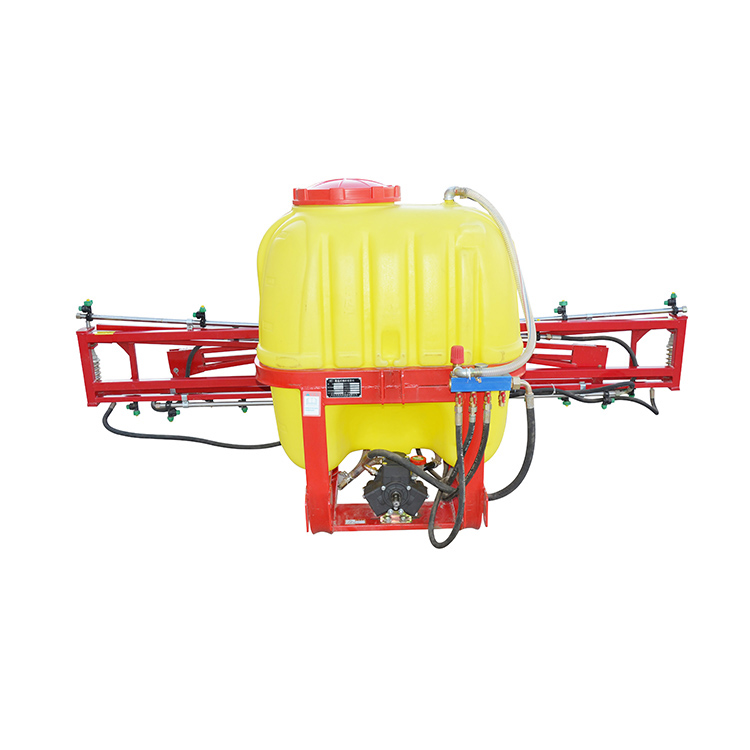
Boom Sprayer

The biggest hidden cost in spraying is rarely the machine itself. It is the chain reaction caused by inefficient application. If coverage is poor, the grower may need to spray again. If chemical distribution is inconsistent, crop performance may become uneven. If refilling takes too long or maintenance interrupts the workday, field progress slows at exactly the wrong time.

A well-matched boom sprayer supports cost control in several ways. It helps reduce overspray and unnecessary chemical waste. It shortens the time required to treat each field section. It allows operators to complete more planned work within narrow weather windows. It also lowers the chance of costly correction passes caused by missed areas or unsatisfactory coverage.

These benefits become more visible as farm scale increases. On larger acreages, even small inefficiencies multiply quickly. Saving one refill cycle here or avoiding one repeat pass there can translate into meaningful operational savings across a season.

Key Operational Benefits

  • Better field coverage in less time
  • More consistent application quality
  • Reduced chemical waste
  • Improved labor efficiency
  • Less risk of re-spraying due to patchy results
  • More predictable workflow during busy seasons

In other words, the right sprayer helps farms work with more control. That control matters because agricultural timing is rarely forgiving. Equipment that performs steadily under pressure often becomes one of the most valuable tools in the entire operation.

When is it time to upgrade your current spraying equipment?

Some farms continue using older spraying systems long after performance has started slipping. This usually happens because the machine still works at a basic level, so replacement feels easy to postpone. But visible breakdown is not the only sign of lost value. Many older systems increase costs quietly through inefficiency, inconsistent spraying, and daily inconvenience.

It may be time to consider an upgrade if your current equipment creates repeated frustration in the field, requires frequent repair, struggles to maintain stable application quality, or no longer matches the size and pace of the farm.

Warning signs often include:

  • Frequent nozzle clogging or uneven output
  • Repeated leaks, hose failures, or pressure instability
  • Too many refills for normal daily workload
  • Slow field progress during time-sensitive spraying windows
  • Visible overlap marks or untreated strips
  • Rising maintenance effort every season
  • Difficulty adapting the machine to changing crops or field scale

Upgrading is not only about getting a newer model. It is about removing operational bottlenecks. A stronger boom sprayer setup can improve the whole spraying process, from planning and mixing to field execution and post-work cleaning.

Conclusion

A boom sprayer matters because spraying quality affects far more than one task on the farm. It influences crop protection, material usage, labor efficiency, timing, and the farm’s ability to respond quickly when field conditions change. Choosing the right machine means looking beyond price tags and focusing on how the sprayer will perform under real working pressure.

The best buying decision comes from matching machine configuration to field needs, crop requirements, and long-term operating goals. For buyers who want a practical and durable agricultural spraying solution, Hebei Shuoxin Machinery Manufacturing Co., Ltd. is a manufacturer worth considering for dependable boom sprayer options built for modern farm demands.

FAQ

1. What is a boom sprayer mainly used for?

A boom sprayer is mainly used to apply herbicides, pesticides, and liquid fertilizers across field crops with wider and more even coverage. It is commonly used in modern agriculture where consistency and field efficiency matter.

2. How do I choose the right boom width?

The right boom width depends on your field size, crop layout, turning space, and desired daily work capacity. Wider is not always better. The most effective option is the one that balances coverage and maneuverability in your real operating conditions.

3. Why is spray uniformity so important?

Uniformity helps ensure that crops receive a consistent application rate. This reduces the risk of under-treatment, over-application, wasted chemicals, uneven crop response, and avoidable rework.

4. What should I check before buying a boom sprayer?

Buyers should check tank capacity, boom width, pump stability, nozzle configuration, frame durability, maintenance convenience, and compatibility with existing tractors or towing systems.

5. Can a better boom sprayer really reduce operating costs?

Yes. A well-matched sprayer can reduce chemical waste, improve field efficiency, lower repeat applications, shorten working time, and decrease unnecessary downtime during peak periods.

6. Who should I contact if I want to source a boom sprayer directly from a manufacturer?

If you are looking for a direct manufacturing source with agricultural equipment experience, you can explore solutions from Hebei Shuoxin Machinery Manufacturing Co., Ltd. based on your field requirements and purchasing goals.

Need a Practical Boom Sprayer for Your Market or Farm Operation?

If you are comparing suppliers, planning an equipment upgrade, or looking for a spraying solution that fits real agricultural workloads, now is the right time to move from guesswork to a clearer decision. Contact us to discuss your application needs, field conditions, and capacity requirements. The team at Hebei Shuoxin Machinery Manufacturing Co., Ltd. can help you find a boom sprayer solution built for reliable performance, efficient coverage, and long-term value.

Related News
Leave me a message
X
We use cookies to offer you a better browsing experience, analyze site traffic and personalize content. By using this site, you agree to our use of cookies. Privacy Policy
Reject Accept