South Of Chenjiazhuang Village, Baoding City, Hebei Province, China +86-15033731507 lucky@shuoxin-machinery.com
Follow Us -
News

How to Choose the Right Manure Spreader for Your Agricultural Needs

2025-12-24 0 Leave me a message

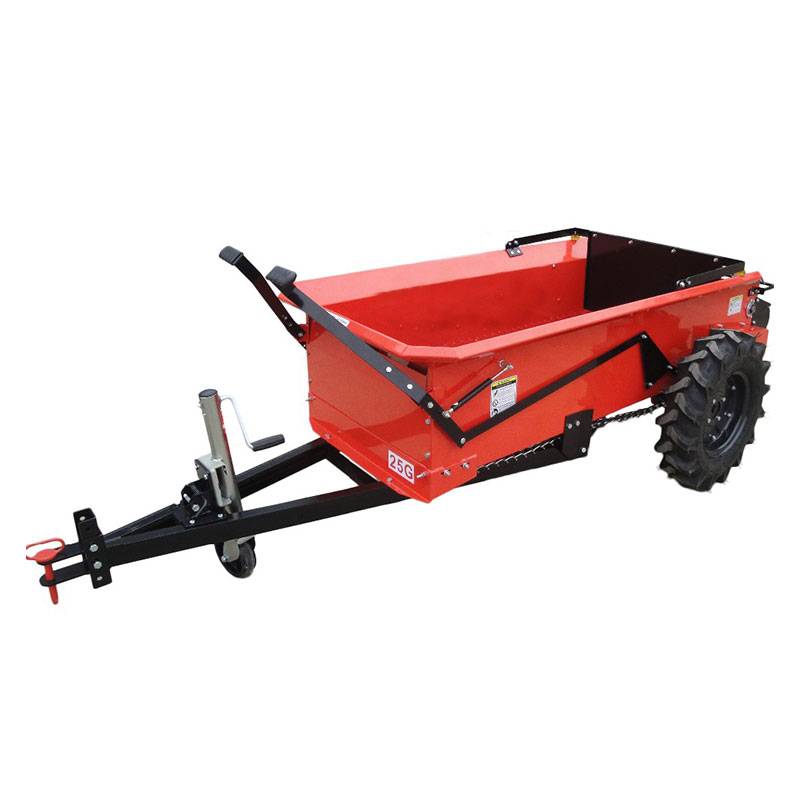
A manure spreader is more than just a farm implement—it is a critical tool for improving soil fertility, increasing crop yields, and promoting sustainable agriculture. Choosing the right manure spreader can significantly impact operational efficiency, labor costs, and environmental compliance. This in-depth guide explains how manure spreaders work, the different types available, key selection criteria, and best practices for maximizing performance. Whether you manage a small family farm or a large-scale agricultural operation, this article will help you make an informed investment decision.

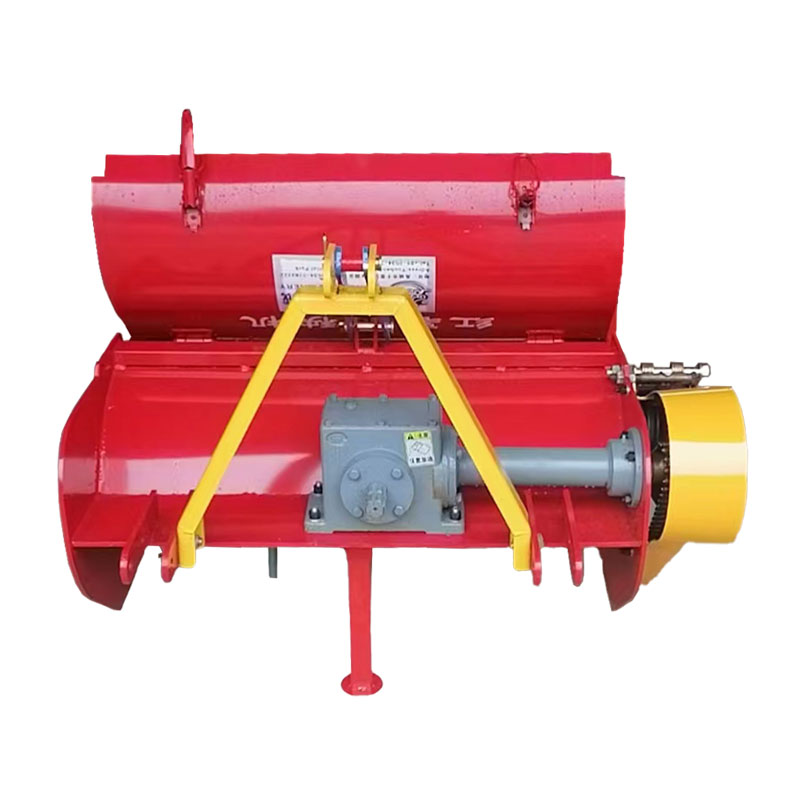
Manure Spreader

Table of Contents

  1. What Is a Manure Spreader?
  2. Why Choosing the Right Manure Spreader Matters
  3. Types of Manure Spreaders Explained
  4. Key Components and Working Principle
  5. How to Choose the Right Manure Spreader
  6. Manure Spreader Comparison Table
  7. Maintenance and Longevity Tips
  8. Applications Across Different Farm Sizes
  9. Frequently Asked Questions (FAQ)

1. What Is a Manure Spreader?

A manure spreader is a specialized agricultural machine designed to evenly distribute organic manure over farmland. By applying livestock waste directly to soil, farmers can recycle nutrients such as nitrogen, phosphorus, and potassium, reducing reliance on chemical fertilizers.

Modern manure spreaders are engineered for precision, durability, and efficiency. Manufacturers like Shuoxin have developed advanced models that ensure uniform spreading, reduced waste, and improved soil health.

For more technical specifications and product configurations, you can refer to this manure spreader resource.


2. Why Choosing the Right Manure Spreader Matters

  • Ensures even nutrient distribution across fields
  • Reduces labor and fuel consumption
  • Improves crop yield and soil structure
  • Minimizes environmental runoff and odor issues
  • Supports compliance with agricultural regulations

An unsuitable manure spreader can lead to uneven fertilization, excessive maintenance costs, and even soil damage. Selecting the right equipment is a strategic decision that directly affects long-term farm profitability.


3. Types of Manure Spreaders Explained

3.1 Horizontal Beater Manure Spreaders

These models use horizontal rotating beaters at the rear to break up and spread manure evenly. They are ideal for solid manure and medium-sized farms.

3.2 Vertical Beater Manure Spreaders

Vertical beaters provide wider spreading patterns and better shredding capabilities, making them suitable for large-scale operations.

3.3 Side Discharge Manure Spreaders

Designed for orchard or vineyard applications, side discharge manure spreaders allow targeted application in narrow spaces.


4. Key Components and Working Principle

  1. Heavy-duty steel hopper
  2. Conveyor chain or belt system
  3. Beater or spreading mechanism
  4. Power transmission (PTO-driven)
  5. Chassis and wheel assembly

The manure is loaded into the hopper, transported by the conveyor, processed by beaters, and evenly distributed across the field during operation.


5. How to Choose the Right Manure Spreader

  • Farm size: Larger farms require higher-capacity spreaders
  • Manure type: Solid, semi-solid, or composted manure
  • Spreading width: Determines field coverage efficiency
  • Durability: Corrosion-resistant materials extend lifespan
  • Compatibility: Match with tractor PTO and horsepower

6. Manure Spreader Comparison Table

Type Capacity Best For Spreading Width
Horizontal Beater Small–Medium Dairy & mixed farms 6–8 meters
Vertical Beater Medium–Large Commercial farms 8–12 meters
Side Discharge Small Orchards & vineyards 3–5 meters

7. Maintenance and Longevity Tips

Regular lubrication, timely replacement of worn parts, and proper cleaning after use are essential for maintaining optimal performance. High-quality manure spreaders from reputable manufacturers like Shuoxin are designed for long-term reliability under demanding field conditions.


8. Applications Across Different Farm Sizes

From small family-owned farms to industrial-scale agricultural enterprises, manure spreaders play a vital role in nutrient recycling and cost control. Selecting the right model ensures adaptability across crop types and soil conditions.


Frequently Asked Questions (FAQ)

Q1: How often should manure be applied?

It depends on crop type, soil condition, and nutrient requirements.

Q2: Can one manure spreader handle different manure types?

Yes, but proper configuration and adjustments are necessary.

Q3: What is the lifespan of a manure spreader?

With proper maintenance, a high-quality manure spreader can last over 10 years.


Choosing the right manure spreader is a long-term investment in productivity, sustainability, and soil health. If you are looking for reliable, high-performance manure spreader solutions tailored to your needs, contact us today and let Shuoxin help you optimize your agricultural operations.

Related News
Leave me a message
X
We use cookies to offer you a better browsing experience, analyze site traffic and personalize content. By using this site, you agree to our use of cookies. Privacy Policy
Reject Accept