South Of Chenjiazhuang Village, Baoding City, Hebei Province, China +86-15033731507 lucky@shuoxin-machinery.com
Follow Us -
News

What Is an Air Assisted Sprayer and Why Is It Essential for Modern Orchard and Vineyard Spraying

2026-03-05 0 Leave me a message

Agricultural spraying technology has evolved rapidly in recent decades, helping farmers improve crop protection efficiency while reducing chemical waste and environmental impact. Among these innovations, the Air Assisted Sprayer has become a critical solution for orchards, vineyards, and large-scale farms.

This comprehensive guide explains what an air assisted sprayer is, how it works, why it is widely used in modern agriculture, and how to choose the right model for your farm. You will also learn about key advantages, application scenarios, maintenance practices, and frequently asked questions to help maximize spraying efficiency and crop health.

Air Assisted Sprayer

Table of Contents


1. What Is an Air Assisted Sprayer?

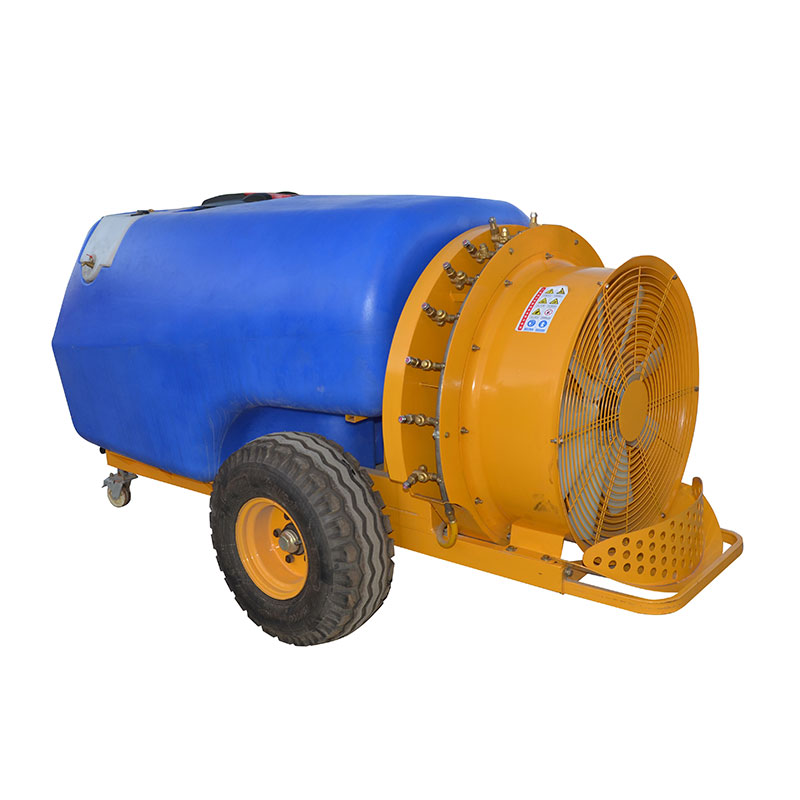
An Air Assisted Sprayer is a specialized agricultural spraying machine designed to deliver pesticides, fungicides, herbicides, or fertilizers efficiently across crops. Unlike traditional sprayers that rely solely on liquid pressure, air assisted sprayers use a powerful airflow to carry droplets deep into plant canopies.

This airflow allows spray droplets to penetrate dense foliage and cover both the upper and lower leaf surfaces. As a result, farmers achieve better pest control and crop protection while using fewer chemicals.

Air assisted sprayers are commonly used in:

  • Fruit orchards
  • Vineyards
  • Citrus plantations
  • Apple and pear farms
  • Tea plantations
  • Forestry nurseries

Manufacturers such as Shuoxin have developed advanced air assisted spraying systems that combine efficient airflow technology with durable agricultural machinery design.


2. How Does an Air Assisted Sprayer Work?

The working principle of an air assisted sprayer is relatively simple but extremely effective. It combines hydraulic spraying with a high-speed airflow generated by a fan system.

Basic Working Process

  1. Liquid chemicals are stored inside a tank.
  2. A pump pressurizes the liquid.
  3. Nozzles atomize the liquid into fine droplets.
  4. A powerful fan generates airflow.
  5. The airflow carries droplets into crop canopies.

This airflow is the key difference between air assisted sprayers and conventional sprayers. The air stream helps droplets travel farther and distribute more evenly across plant surfaces.

This results in:

  • Better leaf coverage
  • Reduced chemical loss
  • Improved pest control
  • Higher spraying efficiency

3. Key Components of an Air Assisted Sprayer

An air assisted sprayer consists of several essential mechanical and hydraulic components that work together to ensure efficient spraying.

Component Function
Tank Stores pesticides or fertilizers for spraying
Pump Pressurizes liquid and sends it to spray nozzles
Fan System Generates high-speed airflow to distribute droplets
Nozzles Atomize liquid into fine droplets
Control System Regulates pressure, flow rate, and spray direction
Frame and Chassis Provides structural support for the entire machine

High-quality machines developed by manufacturers like Shuoxin often integrate durable materials, efficient pumps, and optimized fan blades to ensure long-term reliability in demanding agricultural environments.


4. Advantages of Air Assisted Spraying Technology

Air assisted spraying technology offers numerous advantages compared to conventional spraying methods.

Major Benefits

  • Improved Coverage – Airflow pushes droplets into dense foliage.
  • Reduced Chemical Waste – More spray reaches the target plant.
  • Higher Efficiency – Large areas can be covered quickly.
  • Better Pest Control – Spray reaches hidden insect locations.
  • Lower Environmental Impact – Less drift and chemical loss.
  • Labor Saving – Mechanized spraying reduces manual work.

Because of these advantages, air assisted sprayers have become essential equipment for modern fruit and orchard farming.


5. Main Applications in Modern Agriculture

Air assisted sprayers are designed for crops that have tall structures or dense foliage.

Common Crop Applications

  • Apple orchards
  • Peach orchards
  • Pear farms
  • Orange plantations
  • Grape vineyards
  • Olive groves

These crops often require deep spray penetration to control pests and diseases effectively. The airflow system ensures uniform distribution even inside thick plant canopies.


6. Air Assisted Sprayer vs Conventional Sprayer

Understanding the differences between air assisted sprayers and traditional sprayers helps farmers choose the best equipment for their needs.

Feature Air Assisted Sprayer Conventional Sprayer
Spray Distribution Airflow-assisted penetration Pressure-only spraying
Coverage Quality Excellent canopy coverage Limited leaf penetration
Chemical Efficiency High Medium
Drift Control Better control Higher drift risk
Best Use Orchards & vineyards Open field crops

7. How to Choose the Right Air Assisted Sprayer

Selecting the correct sprayer depends on farm size, crop type, and spraying requirements.

Key Selection Factors

  • Tank capacity
  • Fan power and airflow volume
  • Nozzle configuration
  • Spray range
  • Machine durability
  • Ease of maintenance

Farmers should also consider working speed and compatibility with tractors. Many professional farms prefer models manufactured by experienced companies such as Shuoxin due to their reliability and agricultural equipment expertise.


8. Maintenance and Operation Tips

Proper maintenance is essential for extending the life of an air assisted sprayer and ensuring consistent spraying performance.

Recommended Maintenance Practices

  • Clean the tank and nozzles after each use
  • Check pump pressure regularly
  • Inspect fan blades for wear
  • Lubricate moving parts
  • Store the sprayer in a dry environment

Routine inspections help prevent equipment failure during critical crop protection periods.


Agricultural technology is evolving rapidly, and air assisted sprayers are becoming smarter and more precise.

Emerging Innovations

  • GPS-guided spraying systems
  • Variable rate spraying technology
  • Drone-integrated monitoring
  • Smart sensors for canopy detection
  • Automated spray control systems

These technologies help farmers optimize chemical usage while improving crop health and sustainability.


10. Frequently Asked Questions

What crops benefit most from air assisted sprayers?

Fruit trees, vineyards, citrus plantations, and orchards benefit the most because these crops have dense foliage that requires deep spray penetration.

How far can an air assisted sprayer spray?

Depending on the model and airflow strength, air assisted sprayers can reach several meters into tree canopies, ensuring uniform distribution.

Do air assisted sprayers reduce pesticide usage?

Yes. Because the airflow directs droplets precisely toward plant surfaces, chemical waste is significantly reduced.

Are air assisted sprayers suitable for small farms?

Yes. There are compact models designed specifically for small orchards and family farms.

How long does an air assisted sprayer last?

With proper maintenance, a high-quality sprayer can operate reliably for many years in demanding agricultural conditions.


Conclusion

Air assisted sprayers have become an indispensable tool for modern orchard and vineyard management. Their ability to deliver uniform spray coverage, improve pest control efficiency, and reduce chemical waste makes them a valuable investment for farmers seeking higher productivity and sustainability.

Whether you operate a large commercial orchard or a small vineyard, selecting the right spraying equipment is critical to crop protection success. Advanced agricultural machinery manufacturers such as Shuoxin continue to develop innovative air assisted sprayer solutions designed to meet the evolving needs of modern agriculture.

If you are looking for reliable and efficient spraying equipment for your farm, feel free to explore professional solutions and contact us to learn more about how advanced air assisted spraying technology can improve your agricultural productivity.

Related News
Leave me a message
X
We use cookies to offer you a better browsing experience, analyze site traffic and personalize content. By using this site, you agree to our use of cookies. Privacy Policy
Reject Accept